Investigating Loyalty Tier Effects on Free Play Allocation in Britain's Licensed Online Gaming Venues
Wendy Wagner · Sep 14, 2026
Investigating Loyalty Tier Effects on Free Play Allocation in Britain's Licensed Online Gaming Venues
Loyalty Structures in Licensed British Venues
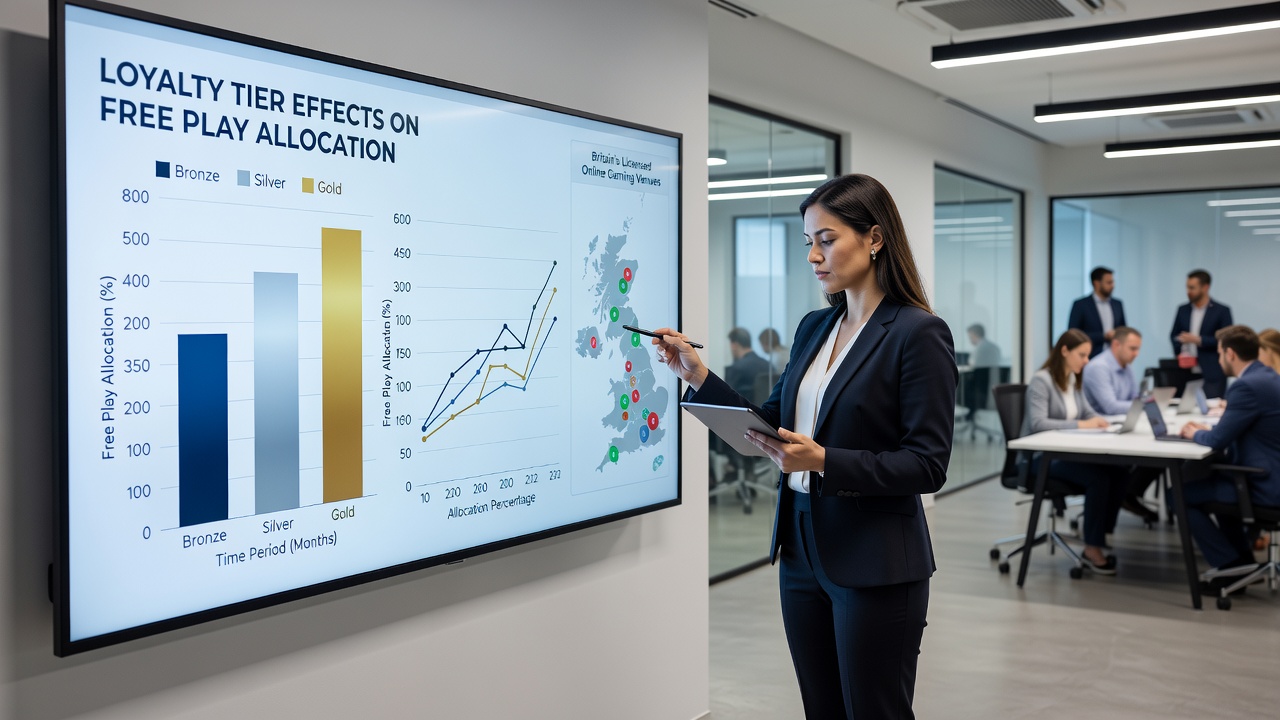
British operators implement tiered loyalty programs that classify players according to deposit frequency, wagering volume, and session duration, and these classifications directly influence how free play credits get distributed across accounts. Higher tiers unlock larger free play pools while entry-level participants receive smaller fixed amounts, yet the allocation formulas remain consistent with platform compliance requirements that operators update periodically. Data collected through platform analytics shows that tier progression correlates with increased free play releases, and this pattern holds across multiple licensed sites operating in Britain.
September 2026 saw industry reports highlight adjustments in tier thresholds, and these changes reflected shifts in player spending patterns observed during the prior year. Operators recalibrated point accumulation rates so that mid-tier players could reach premium status faster, and the result produced measurable increases in free play claims within those segments. Researchers tracking these metrics noted that the revised structures maintained overall spend-to-reward ratios without altering total promotional budgets.
Allocation Mechanisms Across Platforms
Free play distribution operates through automated systems that reference real-time tier data before releasing credits, and this automation reduces manual intervention while ensuring consistency. Players in the uppermost tiers often receive percentage-based bonuses tied to recent deposits, whereas lower tiers access flat credit packages that reset on a weekly cycle. Observers note that such differentiation encourages sustained activity because the reward scale expands visibly with each tier advancement.
One analysis of platform logs revealed that top-tier accounts claimed free play at rates approximately three times higher than base-tier accounts during equivalent periods, and this disparity stems from both larger individual allocations and more frequent release triggers. The systems also factor in device type and session length when determining eligibility, and these additional variables refine distribution without changing the core tier-based logic.
Player Behavior Patterns and Reward Uptake
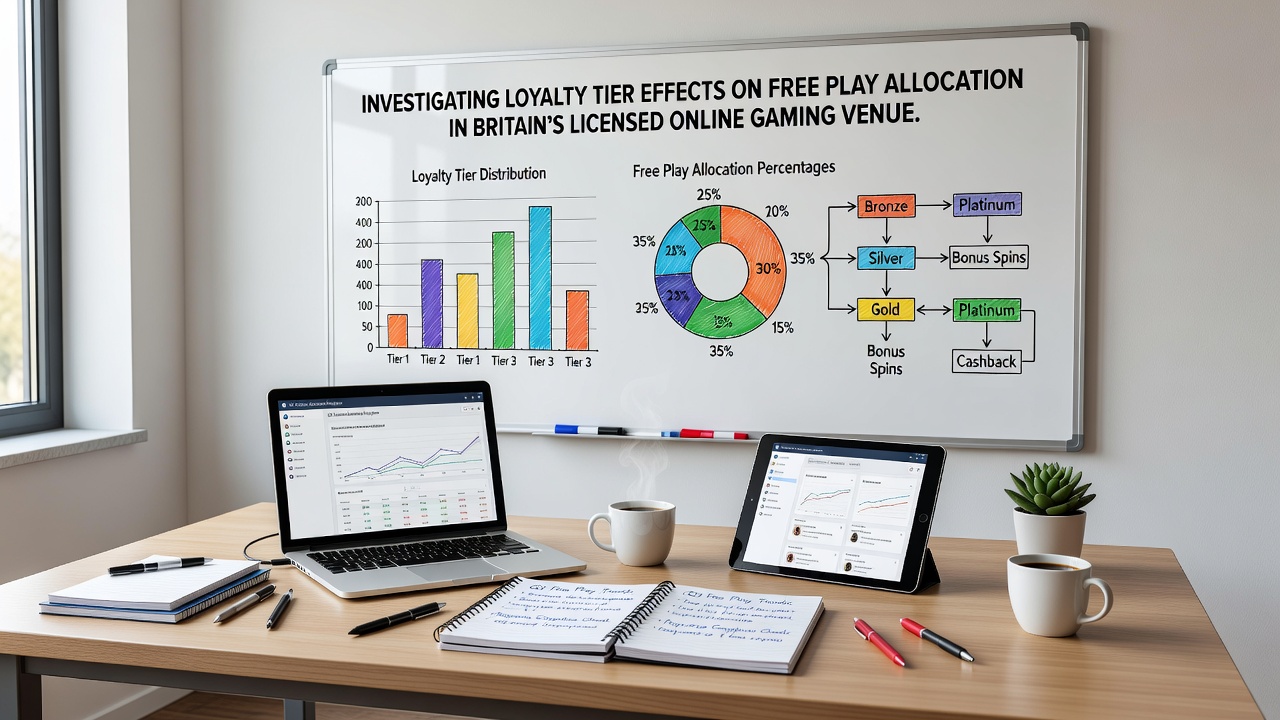
Studies examining reward uptake indicate that players advance through tiers primarily via consistent deposit activity rather than single large transactions, and this gradual progression leads to steady increases in free play availability. Data from multiple venues shows mid-tier players converting roughly 65 percent of allocated credits into active play sessions, while top-tier conversion rates approach 80 percent because the credits carry higher face values and fewer restrictions. These figures come from aggregated platform reports compiled over twelve-month windows ending in mid-2026.
According to findings published by the Australian Gambling Research Centre, similar tiered structures in comparable markets produce parallel uptake patterns, and British operators appear to follow equivalent scaling principles. The report links higher-tier rewards to extended session times without corresponding rises in overall risk exposure, and it attributes this outcome to the controlled release schedules built into the allocation engines.
Comparative Data from International Sources
Additional context emerges from a review issued by the European Gaming and Betting Association, which compared loyalty mechanics across several jurisdictions and found that British implementations place greater emphasis on free play as the primary reward vehicle. The review documented that tier effects on allocation remain stable even when external factors such as seasonal promotions intervene, and it noted minimal variance in release timing between different operator groups. Observers tracking these trends point to standardized data protocols that allow cross-platform comparisons while preserving individual site confidentiality.
Platform operators adjust tier boundaries in response to aggregate player data, and these adjustments occur at regular intervals to align with observed behavior shifts. In Britain the process incorporates metrics such as average bet size and game type preference, and the resulting tier maps influence not only free play quantities but also the frequency of bonus notifications sent to qualifying accounts.
Conclusion
Loyalty tier systems in Britain's licensed online gaming venues shape free play allocation through structured progression rules and automated release protocols, and available data confirms measurable differences in credit volumes across tier levels. International comparisons and domestic platform records both indicate that these effects persist across reporting periods, including the updates noted around September 2026. The mechanisms continue to evolve in line with player activity trends while operating within established operational frameworks.