How Major Sporting Events Influence the Deployment of Incentive Packages in Britain's Regulated Online Gaming Sector
Katja Simon · Oct 12, 2026
How Major Sporting Events Influence the Deployment of Incentive Packages in Britain's Regulated Online Gaming Sector
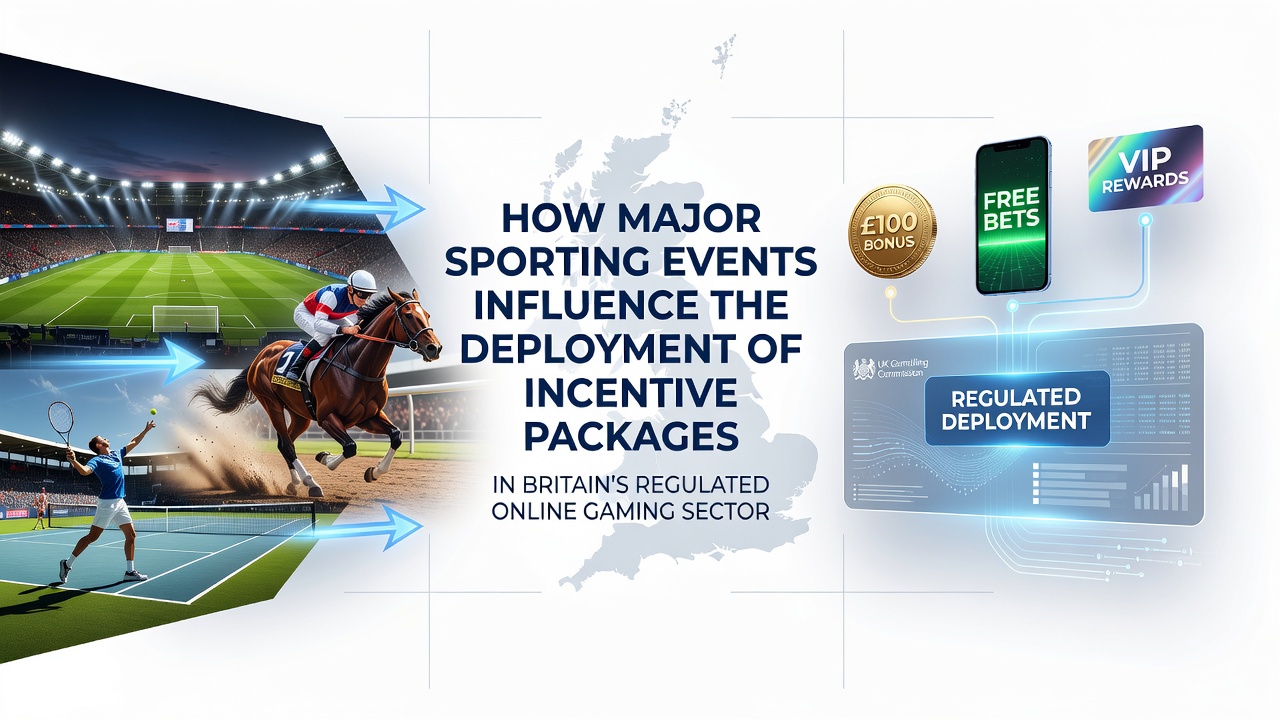
Major sporting events create measurable shifts in how licensed operators structure and release incentive packages within Britain's regulated online gaming sector, and data from multiple seasons shows consistent patterns tied to football tournaments, tennis majors, and horse racing calendars. Operators adjust deposit matches, free bet credits, and cashback offers to align with peak viewer engagement periods, while regulatory frameworks require all promotions to meet strict transparency and fairness standards.
Football Tournaments and Seasonal Incentive Adjustments
Premier League matches and European competitions drive some of the largest reallocations of promotional resources, with operators increasing the frequency of match-specific free bet offers and enhanced accumulator bonuses during high-profile fixtures. Research indicates that betting volumes rise sharply during these windows, prompting platforms to deploy time-limited packages that require minimum stake thresholds and real-money deposits before bonus activation. According to figures from the Australian Institute of Health and Welfare, similar event-driven spikes occur in comparable regulated markets, providing operators in Britain with benchmarks for scaling incentive releases without breaching compliance rules.
During the Euros and World Cup cycles, operators often introduce themed reward ladders where players accumulate points through qualifying bets to unlock larger prize pools, and these structures remain active for the full duration of the tournament rather than single weekends. The approach allows platforms to maintain steady engagement across multiple weeks while still satisfying audit requirements around responsible gaming messaging.
Wimbledon, Racing Festivals, and Niche Event Promotions
Tennis grand slams and major racing festivals produce different incentive patterns compared with team sports, with operators favoring shorter-duration offers such as risk-free bets on specific sets or enhanced place terms on key races. Observers note that these events generate concentrated activity over one to two weeks, leading platforms to release smaller but more frequent bonus codes that expire quickly after the final. Studies from the University of Sydney's gambling research unit have documented how such time-bound promotions correlate with temporary increases in new account registrations across licensed jurisdictions.
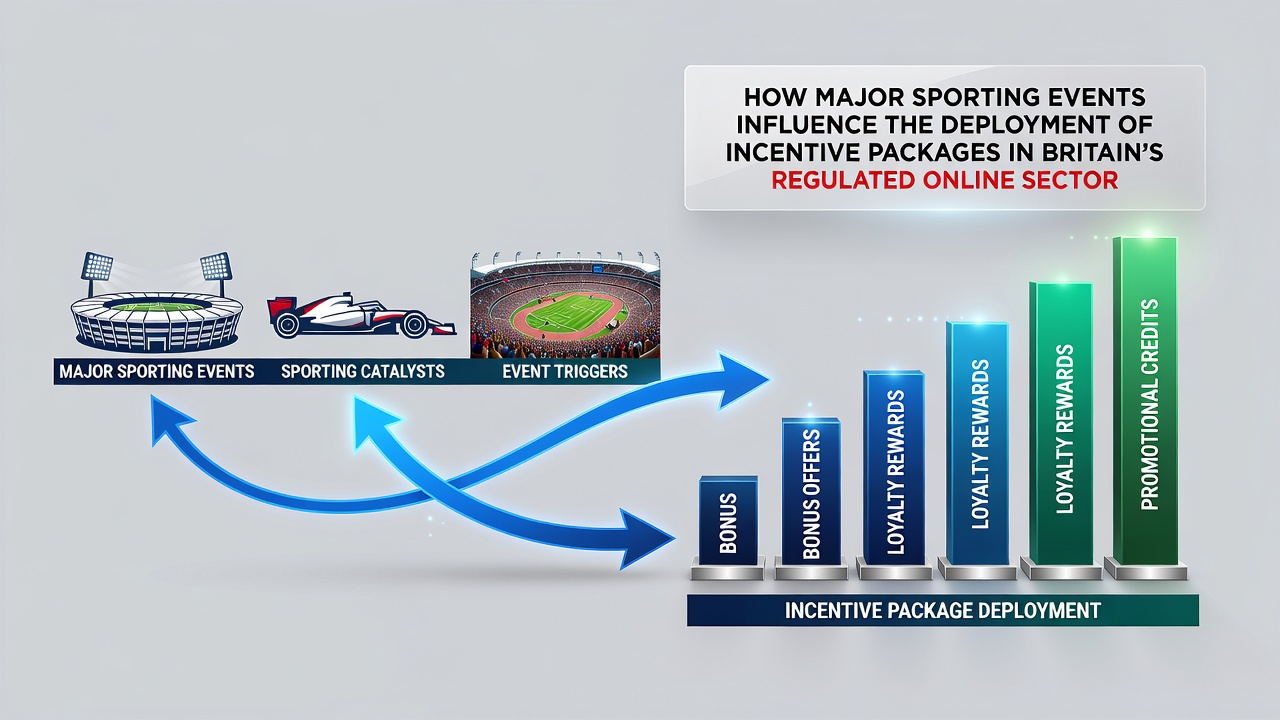
October 2026 is expected to feature overlapping domestic leagues and international qualifiers, and operators have already begun planning layered incentive schedules that combine ongoing loyalty rewards with event-specific top-ups. This dual structure helps platforms manage player retention across quieter mid-week periods while capitalizing on weekend spikes.
Regulatory Compliance and Data-Driven Deployment
Britain's licensed operators must ensure every incentive package carries clear eligibility terms, wagering requirements, and expiry dates, and major sporting events do not exempt platforms from these obligations. Data shows that compliance teams review all event-tied promotions in advance, adjusting maximum bonus values and contribution rates to align with sector guidelines. Industry reports from the European Gaming and Betting Association highlight how operators use player segmentation tools to target incentives only at verified adults, reducing the risk of overexposure during high-visibility periods.
Platforms track real-time metrics such as deposit frequency and session length during events, then refine future package structures based on those patterns. This feedback loop allows operators to maintain competitive offerings without deviating from responsible gaming protocols that apply year-round.
Conclusion
Major sporting events continue to shape incentive deployment strategies across Britain's regulated online gaming sector through predictable cycles of increased activity and corresponding promotional responses. Operators balance commercial objectives with regulatory requirements by releasing targeted, time-limited packages that remain fully auditable. As calendars for 2026 and beyond take shape, platforms are expected to refine these approaches further, drawing on performance data from previous tournaments to optimize both player engagement and compliance outcomes.