How Algorithmic Targeting Shapes Spin Incentive Schedules Across Britain's Licensed Digital Gaming Platforms
Ines Hoffmann · Sep 28, 2026
How Algorithmic Targeting Shapes Spin Incentive Schedules Across Britain's Licensed Digital Gaming Platforms
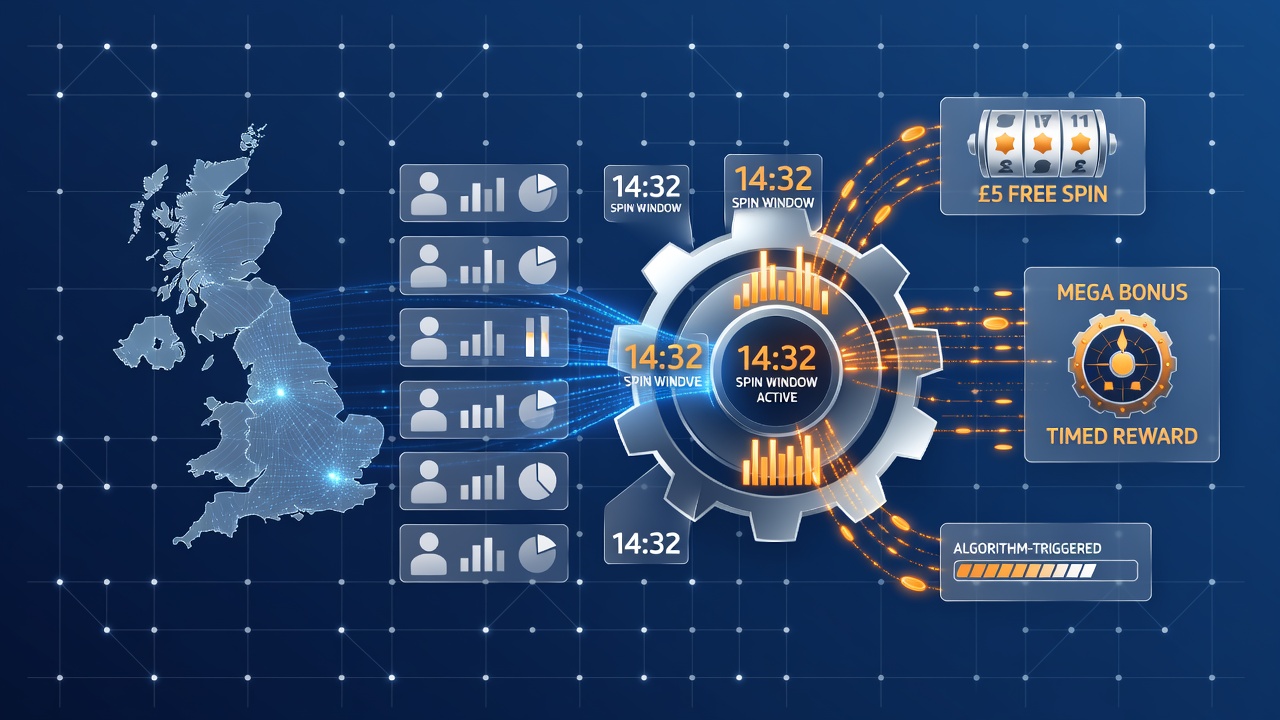
Algorithmic systems now control the release schedules for spin incentives on Britain's licensed digital gaming platforms through continuous analysis of user interaction data, session patterns, and compliance thresholds. These platforms integrate machine learning models that process real-time inputs from player accounts to decide when free spins or bonus credits become available, and operators adjust these models to align with regulatory benchmarks that took effect in September 2026. Researchers at institutions tracking digital entertainment markets have documented how these algorithms prioritize moments of low engagement to re-activate accounts while avoiding clusters of activity that might trigger additional reporting requirements.
Core Mechanisms Behind Timing Decisions
Operators feed vast datasets into targeting engines that evaluate variables such as time since last deposit, average spin duration, and device usage metrics before issuing incentives, and this process occurs within milliseconds of each login event. Data from industry monitoring groups shows that platforms often schedule releases during evening hours when historical patterns indicate higher return rates among specific demographic segments, yet the same systems withhold offers during peak afternoon periods to prevent over-saturation. External audits conducted by European regulatory bodies confirm that these timing choices must remain transparent in operator logs so that oversight agencies can verify adherence to fairness standards without restricting commercial flexibility.
Player Behavior Signals and Model Inputs
Algorithms weigh factors including recent win-loss ratios, navigation paths through game menus, and frequency of bonus code redemptions to predict the ideal window for delivering spin packages, and one case study from a mid-sized operator revealed that shifting release times by two hours increased redemption rates by measurable margins without altering total incentive volume. Those who analyze platform telemetry note that models also incorporate external signals such as local event calendars or weather data to refine predictions, although such inputs receive lower weighting than core behavioral metrics. A report published by the Australian Gambling Research Centre highlights parallel approaches in other regulated markets where timing algorithms reduced instances of repeated offers to the same accounts within short intervals.
Compliance Integration and September 2026 Adjustments
Following updates introduced in September 2026, British platforms incorporated additional compliance layers into their algorithmic frameworks that automatically pause or delay spin incentives when aggregate player activity exceeds predefined daily limits, and these safeguards operate alongside existing responsible gaming tools. Industry organizations such as the European Gaming and Betting Association have published guidelines that encourage operators to document every timing decision so that third-party reviewers can trace how models balance commercial goals with harm-minimization protocols. Observers note that platforms now maintain separate audit trails for algorithmic outputs, which allows regulators from multiple jurisdictions to compare practices across borders without requiring direct access to proprietary code.
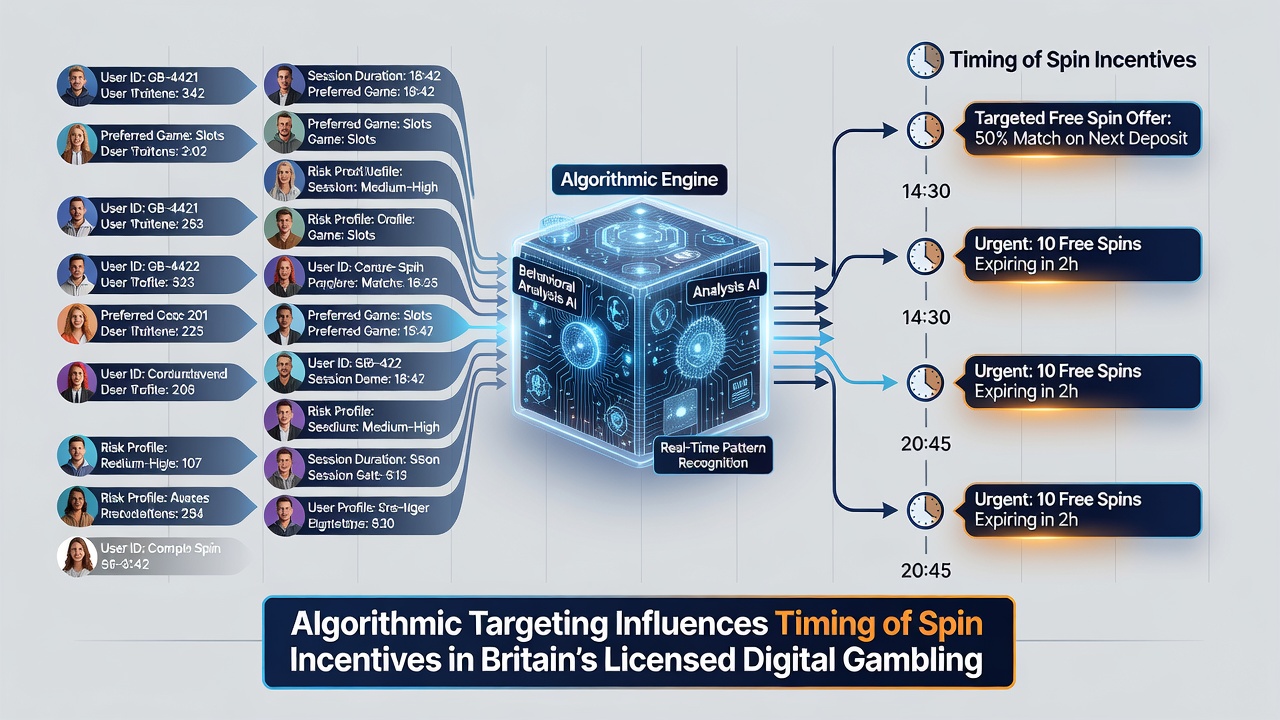
One documented example involves an operator that adjusted its models to favor mid-week releases after internal analysis showed weekend clustering produced diminishing returns, and subsequent figures revealed steadier engagement curves across the month. Researchers continue to examine whether similar adjustments appear consistently among other licensed entities, particularly as cross-platform data sharing increases under updated data protection frameworks.
Regional Comparisons and Broader Market Trends
While Britain's licensed environment maintains distinct requirements around incentive timing, platforms operating in Canada and parts of the United States employ comparable algorithmic techniques that reference guidance from bodies such as the Canadian Centre on Substance Use and Addiction, and these parallels allow analysts to identify common technical patterns even when regulatory texts differ. Data indicates that timing precision tends to improve when operators combine first-party telemetry with anonymized aggregate datasets from academic partnerships, and several British firms have entered such collaborations since the September 2026 compliance cycle began. What's interesting is how these partnerships produce reports that operators then use to recalibrate release windows without violating local advertising restrictions.
Future Developments in Targeting Precision
Engineers working on next-generation models anticipate greater incorporation of reinforcement learning techniques that test multiple timing hypotheses simultaneously across segmented user groups, and early trials suggest these methods could further compress the interval between detected opportunity and incentive delivery. Figures from research institutions tracking global gaming technology indicate steady growth in the adoption of such systems, although deployment rates vary according to each operator's existing infrastructure investments. Those tracking the sector expect continued refinement as platforms respond to evolving player expectations and updated technical standards issued by international standards organizations.
Conclusion
Algorithmic targeting has become central to determining when spin incentives appear on Britain's licensed digital gaming platforms, and the integration of behavioral data, compliance checks, and cross-market insights continues to shape operational practices. Evidence from regulatory reports and academic studies demonstrates measurable impacts on release schedules, while operators maintain detailed records to satisfy oversight requirements introduced in September 2026. Continued monitoring by independent researchers will clarify how these systems evolve alongside technological and regulatory changes.